
G. D’Anne Hancock Weise, Ph.D.
A Vision for Change
As a committed advocate for criminal justice reform, I aim to leverage research and policy analysis to drive systemic change. The war on drugs began more than 50 years ago, and the data show that more dangerous drugs are available, there are more addicts, and many times more overdose deaths. The punishment-and-more-punishment approach has failed to deliver.

Insights
The current legal environment has gone to the extreme by not considering the culpability of the deceased in DIH cases. After an addict overdoses, they are treated as innocent bystanders, and the surviving addict is treated as a sociopathic homicidal dealer.

Due Process
Due process needs to be restored in DIH cases. Due process protects citizens from government abuse. Even though Due Process is guaranteed by the Constitution, Congress has taken it away for drug and gun crimes.
Latest Insights in Criminal Justice
The current legal environment has gone to the extreme by not considering
the culpability of the deceased in DIH cases. After an addict overdoses,
they are treated as innocent bystanders, and the surviving addict is
treated as a homicidal dealer.
Read more...The Role of Prosecutorial Discretion My research highlights the critical need for the role of...Read more...This publication delves into the effects of mandatory minimum sentencing on prison populations...Key Advocacy Areas
Due Process
Due process needs to be restored in DIH cases. Due process protects citizens
from government abuse. Even though Due Process is guaranteed by the Constitution,
Congress has taken it away for drug and gun crimes.
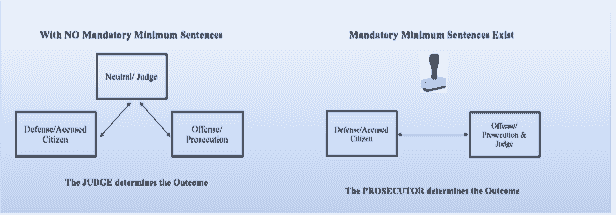
Challenging Mandatory Minimum period Sentencing
Mandatory minimums period section: "This publication delves into the effects of mandatory minimum sentencing on prison populations and recidivism rates. By examining case studies and statistical data, I argue for the elimination of mandatory minimums. My work focuses on challenging the detrimental effects of mandatory minimum sentencing, advocating for flexible sentencing options that allow for individual circumstances. This approach is essential for creating a more humane and effective justice system.

The National Association of Community and Restorative Justice (NACRJ).
Location: New Orleans,
Louisiana. Dates: July 7–10, 2026.